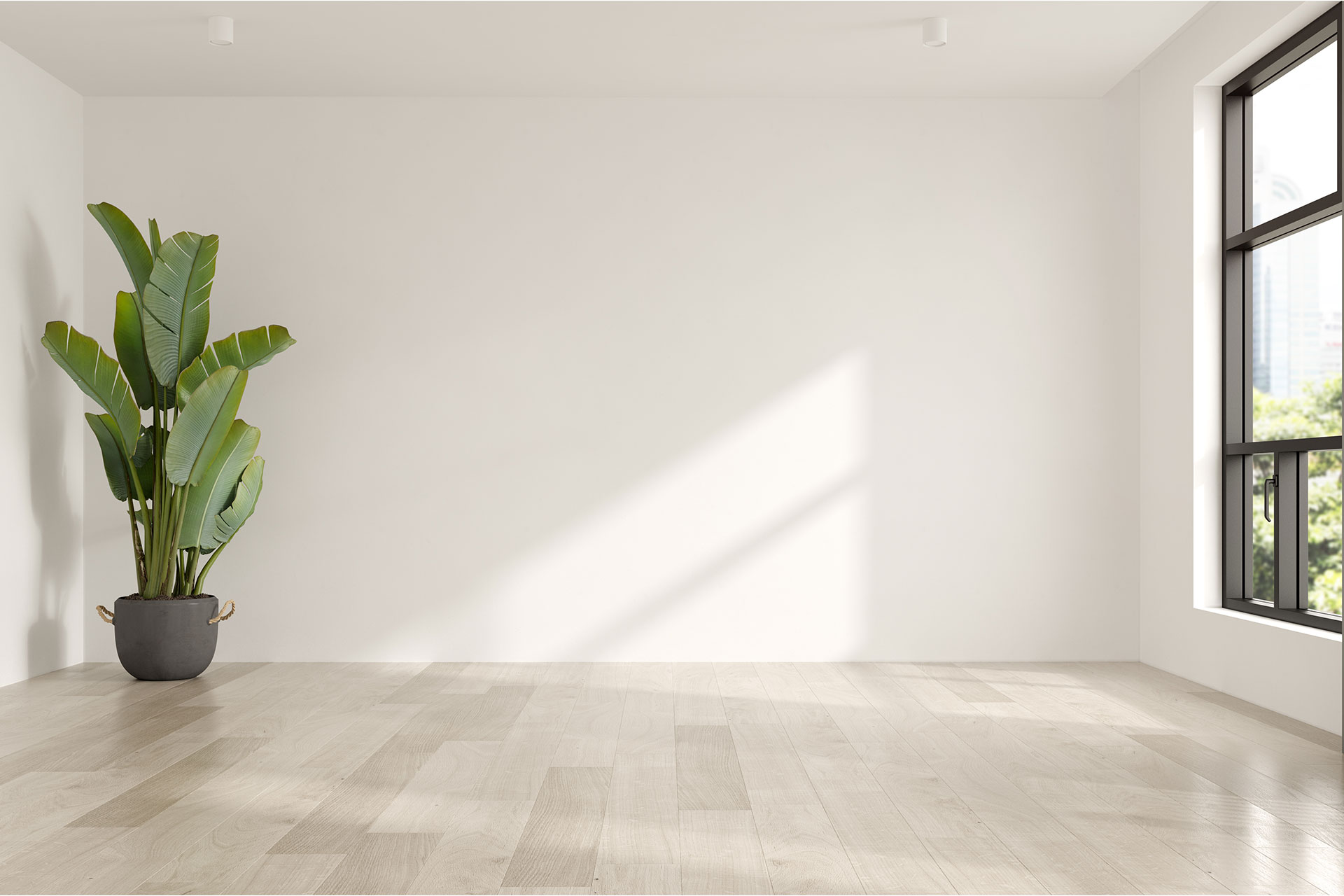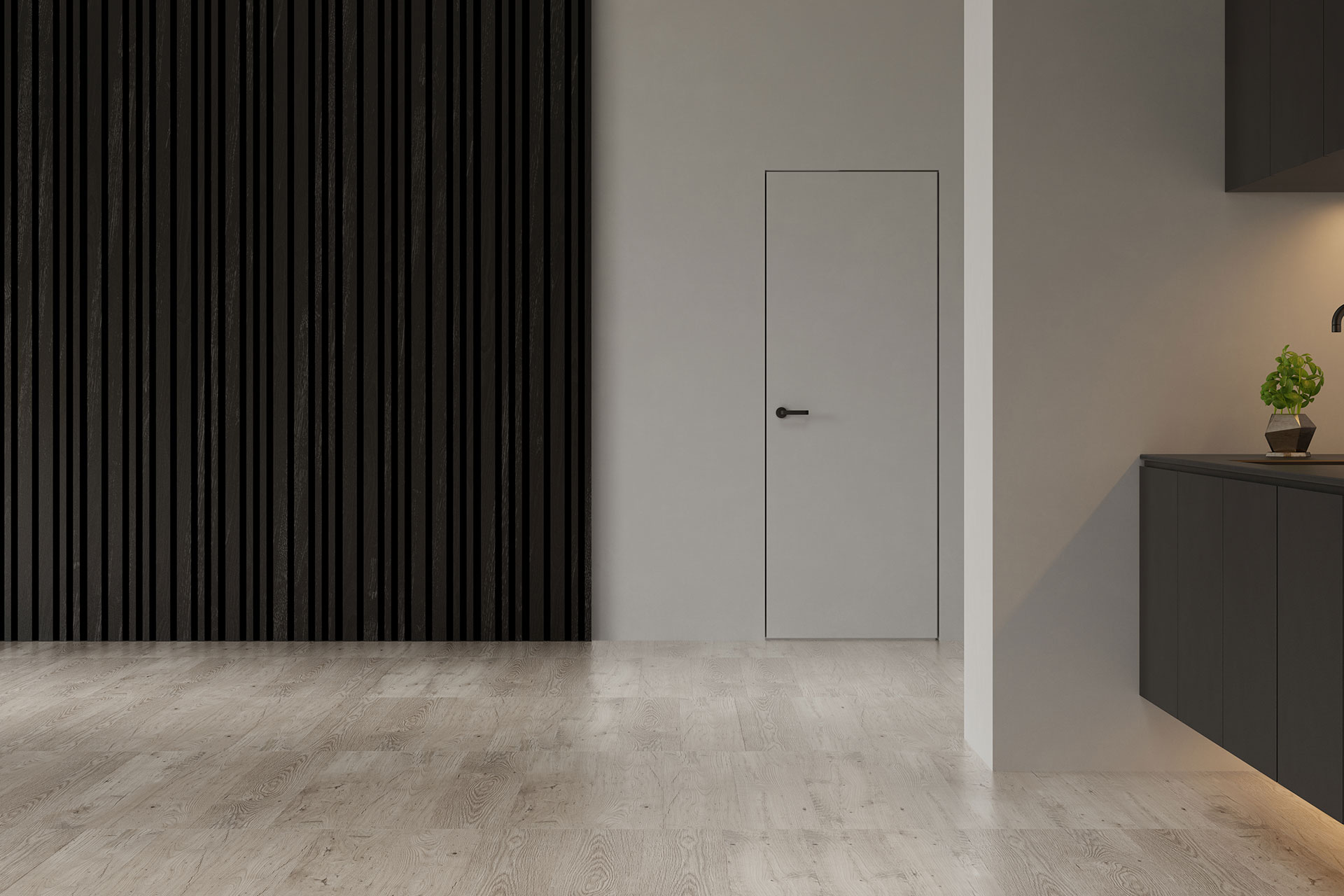
Epoxy flooring is a superb choice for Singaporean homes and businesses, known for its sleek look, incredible durability, and easy maintenance. However, to ensure your investment stands the test of time and retains its glossy finish, proper care is essential. Singapore’s unique tropical climate—with its high humidity, intense heat, and heavy rainfall—poses specific challenges like potential slipperiness, dullness, and even mould growth.
This comprehensive guide from the experts at epoxy.sg is designed to provide you with clear, actionable, and locally relevant advice. We’ll walk you through everything from daily cleaning to tackling stubborn stains, all tailored to protect your floor against the demands of our local environment.
Why Epoxy Floor Maintenance is Crucial in Singapore
While epoxy floors are tough, they are not maintenance-free. Consistent care unlocks their full potential:
-
Aesthetic Value: Maintains that desirable high-gloss finish and vibrant colour.
-
Durability & Longevity: Proper care significantly extends its life, resisting wear and tear.
-
Hygiene: Its seamless, non-porous surface prevents bacterial growth and is easy to clean.
The Singaporean Climate Challenge
Our environment demands special attention:
-
High Humidity: This can lead to moisture accumulation, increasing the risk of slippery surfaces and creating a breeding ground for mould and mildew if not managed.
-
Tropical Heat: Sustained exposure to intense sunlight can, over many years, contribute to yellowing if the epoxy isn’t UV-stable.
-
Increased Wear: High foot traffic combined with humidity-trapped dirt and grit can act as an abrasive, dulling the surface faster.
Understanding Your Epoxy Floor Type
While core maintenance principles are universal, knowing your floor type can help refine your approach. At epoxy.sg, we install various types, including:
-
Solid Colour Epoxy: Robust and popular for both residential and industrial use.
-
Epoxy Flake Systems: Decorative flakes add texture and aesthetic appeal.
-
Metallic Epoxy: Creates unique, artistic swirls and effects.
-
Quartz Epoxy: Highly durable with anti-slip properties, ideal for high-traffic areas.
General Principle: Regardless of type, always use pH-neutral cleaners, clean spills promptly, and avoid harsh chemicals.
Routine Cleaning: Keeping Your Epoxy Floor Pristine
Regular upkeep is your first and most effective line of defence.
| Task | Frequency | Tools/Products Needed | Key Benefit |
|---|---|---|---|
| Dust Mopping/Sweeping | Daily/Every Other Day | Soft-bristle broom or dust mop | Removes abrasive particles that can cause micro-scratches. |
| Damp Mopping | Weekly/Bi-weekly | Microfiber mop, two-bucket system, pH-neutral cleaner | Prevents dirt buildup and maintains shine without leaving residue. |
| Spot Cleaning Spills | Immediately | Soft cloth, pH-neutral spray | Prevents permanent staining, etching, and slip hazards. |
Expert Tip from epoxy.sg: Always use the two-bucket system—one for the cleaning solution and one for rinse water. This prevents you from spreading dirty water and grime across your floor, ensuring a truly clean surface.
Deep Cleaning & Stain Removal Strategies
When routine cleaning isn’t enough, a deeper clean can restore your floor’s brilliance.
Deep Cleaning Process
-
Preparation: Clear the area and sweep thoroughly.
-
Apply Solution: Use a pH-neutral cleaner (like a mild, diluted dish soap or a specialised epoxy cleaner from a local retailer like Home-Fix or NTUC FairPrice) with warm water.
-
Agitate Gently: Use a soft scrub brush or microfiber mop to lift embedded dirt.
-
Rinse Thoroughly: This is crucial! Mop with clean water until no residue remains.
-
Dry Completely: Use a squeegee for large areas and allow to air dry. In humid conditions, use fans to speed up the process.
Specific Stain Removal Guide
| Stain Type | Recommended Cleaning Agent | Method |
|---|---|---|
| Oil/Grease | pH-neutral degreaser or diluted mild dish soap | Apply, let sit for a few minutes, gently scrub, and rinse thoroughly. |
| Tire Marks | General-purpose cleaner or mild degreaser | Use a soft deck brush to scrub the area and rinse well. |
| Food/Beverage | Warm water with pH-neutral soap | Wipe immediately. For dried stains, gently scrub. |
| Chemical Spills | Blot immediately! Consult manufacturer guidelines. | Always test any solvent in a hidden area first. |
| Rust | Rust remover designed for epoxy/concrete (TEST FIRST) | Follow product instructions carefully and wear protective gear. |
Expert Tip from epoxy.sg: Before using any new cleaning product, always test it in a small, inconspicuous area first to ensure it doesn’t damage or discolour your floor.
Preventing Damage & Maximizing Lifespan
Proactive measures are more effective and cheaper than repairs.
-
Protect from Scratches: Use protective felt pads under furniture legs and rubber caster wheels on chairs. Never drag heavy objects.
-
Prevent Chemical Damage: Clean spills like bleach, acids, or solvents immediately.
-
Mitigate Wear & Tear: Place non-rubber-backed entrance mats at doors to trap dirt and moisture. Rubber can sometimes react with the epoxy surface.
-
Ensure Proper Ventilation: This is critical in Singapore. Use fans, open windows, or a dehumidifier to reduce ambient moisture, which combats slipperiness and mould growth.
Troubleshooting Common Epoxy Floor Problems
Even with great care, minor issues can arise. Here’s when to DIY and when to call a pro.
-
Minor Chips: Can often be repaired with an epoxy repair kit (available at local hardware stores). Colour matching can be tricky.
-
Dull Spots: Usually caused by residue or wear. A thorough deep cleaning often restores the shine. For persistent dullness, a professional re-polishing might be needed.
-
Peeling/Delamination: This often indicates an installation or moisture issue. This is not a DIY job. Contact a professional like epoxy.sg for assessment.
-
Persistent Slipperiness: Ensure rigorous cleaning to remove residue. Improve ventilation. For a permanent solution, a professional can apply an anti-slip coating.
Singapore's Climate: Special Care Considerations
Our humidity requires specific adjustments to your routine:
-
Enhanced Ventilation: This is non-negotiable. Circulate air to minimise moisture buildup.
-
Thorough Drying: After cleaning, dry floors completely and quickly with a squeegee and fans.
-
Mould Prevention: Address any signs of mould immediately with a pH-neutral antimicrobial cleaner.
-
UV Protection: If your floor is in direct sunlight, use blinds or UV-blocking films to minimise long-term yellowing.
Essential Cleaning Products & Tools
Using the right tools makes all the difference. Here’s what you need, readily available in Singapore:
| Tool/Product | Purpose | Local Availability Tip |
|---|---|---|
| Microfiber Mop | For streak-free damp mopping. | Easily found at Daiso, Giant, or Mustafa Centre. |
| pH-Neutral Cleaner | Safe for routine and deep cleaning. | Look for brands like Magiclean or use diluted Palmolive dish soap. |
| Soft Scrub Brush | For textured floors or stubborn spots. | Available at Home-Fix or Mr. DIY. |
| Squeegee | For efficient drying of large areas. | Common at hardware stores in Sim Lim Tower or neighbourhood shops. |
| Protective Felt Pads | Prevents furniture scratches. | Found at IKEA or Spotlight. |
Frequently Asked Questions (FAQs)
Q: Can I use a steam cleaner on my epoxy floor?
A: We do not recommend it. The intense heat and moisture can potentially compromise the epoxy bond and leave streaks.
Q: How often should I re-coat my epoxy floor in Singapore?
A: For residential use, typically every 5-10 years. For commercial spaces with high traffic, consider re-coating every 3-5 years. Singapore’s climate can sometimes accelerate wear, so monitor your floor’s condition closely.
Q: How do I maintain the anti-slip properties?
A: Regular cleaning is key to prevent a film of dirt that reduces grip. Ensure thorough rinsing. For existing slippery floors, epoxy.sg can apply a new topcoat with anti-slip additives.
Q: Are there eco-friendly cleaning options?
A: Yes! Many pH-neutral, biodegradable cleaners are available. While diluted vinegar is a common eco-cleaner, we advise against it for epoxy as the acidity can dull the finish over time. Stick to mild, pH-neutral solutions.
Q: What’s the best way to deal with yellowing from UV exposure?
A: Prevention is best. Ensure a UV-stable topcoat is used during installation. For existing yellowing, a professional assessment is needed to determine if a new UV-protective topcoat can restore it.
Conclusion: Your Partner in Epoxy Floor Longevity
Maintaining your epoxy floor in Singapore doesn’t have to be complicated. By adopting a consistent routine with the right products and understanding the specific needs dictated by our tropical climate, you can significantly extend the life and beauty of your investment.
Remember the core principles:
-
Consistency is Key: Regular sweeping and mopping.
-
pH-Neutrality Protects: Always use gentle cleaners.
-
Act Fast on Spills: Prevent permanent damage.
-
Ventilation is Crucial: Fight humidity with good airflow.
By following this guide, you’re not just cleaning—you’re preserving the value and appeal of your property. For professional installations, repairs, or re-coating services, trust the experts at epoxy.sg to keep your floor in pristine condition for years to come.